There is no translation available.
 Odour control is an increasing concern in WWTPs. Physical/chemical end-of-the-pipe technologies for odour abatement are relatively expensive and present high environmental impacts. Biotechnologies, on the other hand, have recently emerged as cost-effective and environmentally friendly alternatives but are still limited by their investment costs and land requirements. A more desirable approach to odour control is the prevention of odorant formation.
In WWTPs, where different biological processes take place and many streams are available, there are opportunities to re-design processes in order to minimize odour generation. This work explores two alternative strategies for odour control.
J. M. Estrada 1,4, R. Lebrero 1, N. J. R. Kraakman 2,3 and R. Muñoz 1*
1. Department of Chemical Engineering and Environmental Technology, University of Valladolid. Dr. Mergelina s/n, 47011, Valladolid, Spain.
2. Department of Biotechnology, Delft University of Technology, Julianalaan 67, 2628 BC Delft, The Netherlands.
3. CH2M Hill, Level 7, 9 Help Street, Chatswood NSW 2067, Australia.
4. Present address: School of Engineering, London South Bank University, 103 Borough Road, London SE1 0AA, United Kingdom.
Mail: mutora@iq.uva.es
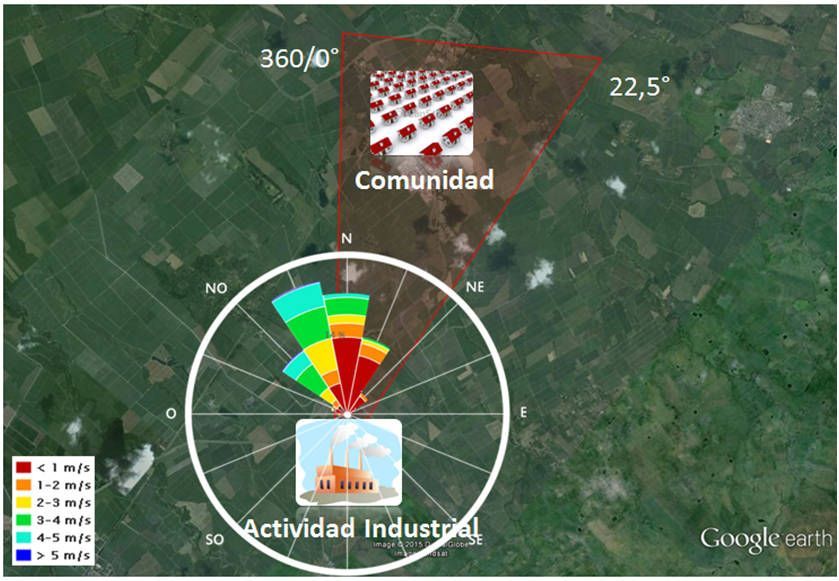 While there is currently a huge gap between odor and gases, since the smell is a complex mixture of gases which are capable of interact between each other. Therefore various gaseous compounds might generate different odorant stimuli than the single gas compound, so you may consider that monitoring gaseous emissions as a valid alternative as an operational tool.
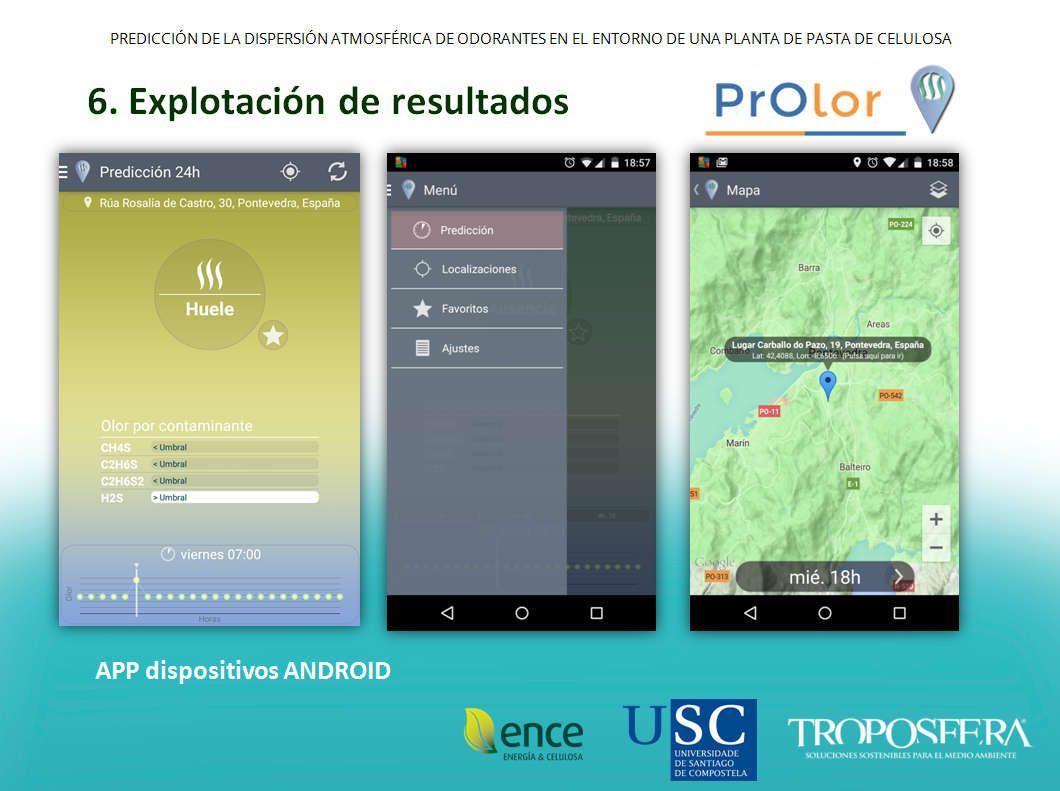 Traditionally, pulp mill plants using Kraft process produce TRS (Total Reduced Sulphur) odorants emissions; this is the case of ENCE-Pontevedra plant.