There is no translation available.
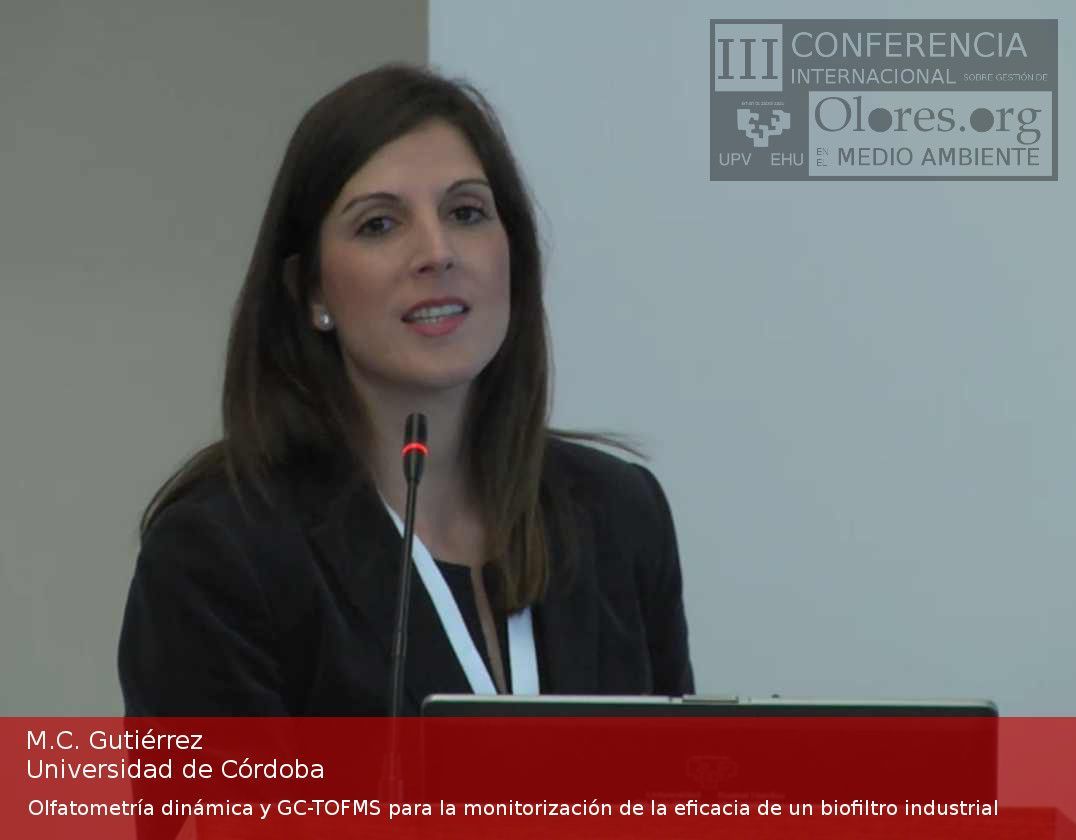 Biofiltration is the most widely used technique for eliminating odours in waste treatment plants (WTP). Volatile organic compounds (VOCs) are among the odorous compounds emitted by WTP, and serve as variables to measure odour emissions depending on the type of aeration process used.
In this work, the performance and efficiency of an industrial-scale biofilter was assessed where composting was the main source of VOCs and odour emissions.
M.C. Gutiérreza, M.A. Martína, E. Pagansb, L. Verab, J. García-Olmoc and A.F. Chicaa
a. Universidad de Córdoba (España), Departamento de Química Inorgánica e Ingeniería Química, Campus Universitario de Rabanales, Carretera N-IV, km 396, Edificio Marie Curie, 14071 Córdoba, Spain
b. Odournet SL, Parc de Recerca (UAB), Edificio Eureka, Espacio P2M2, 08193, Bellaterra, Cerdanyola del Vallès, Barcelona, Spain
c. NIR/MIR Spectroscopy Unit, Servicio Central de Apoyo a la Investigación (SCAI), Universidad de Córdoba, Campus de Rabanales, 14071, Córdoba, Spain Odour generation is an inherent side product of waste water storage and treatment. Encroachment of developments in the proximity of sewage treatment works increases the risk of adverse odour impact on receptors.