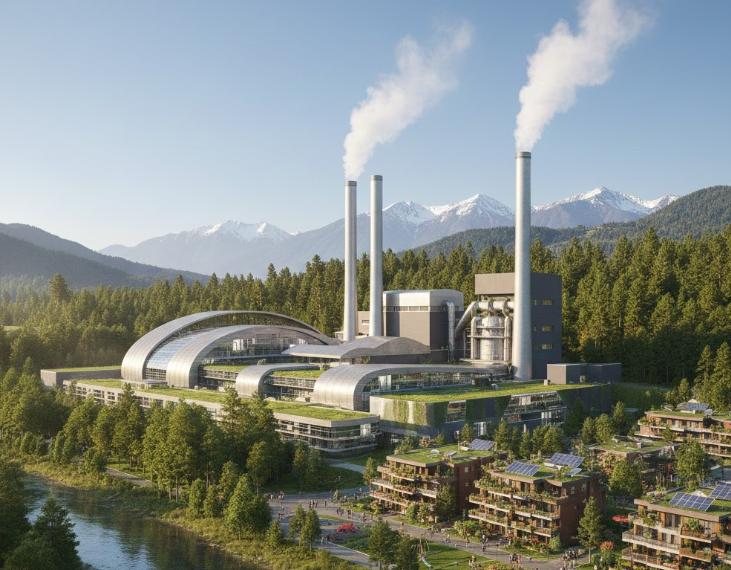
Mit der neuen Änderung der bestehenden Verordnung über TRS für Zellstofffabriken werden die Anforderungen für Zellstofffabriken in Chile erweitert. Derzeit gibt es in diesem Land sieben solcher Anlagen, die sich von der Region Maule bis Los Ríos befinden.

Das Umweltministerium teilte mit, dass die Aktualisierung der Geruchsemissionsverordnung für Zellstofffabriken heute im Amtsblatt veröffentlicht wurde. Damit werden die Normen für die Herstellung von Kraft- oder Sulfatzellstoff modernisiert, deren Prozesse Gerüche erzeugen können, die die Lebensqualität der umliegenden Gemeinden beeinträchtigen.
There is no translation available.

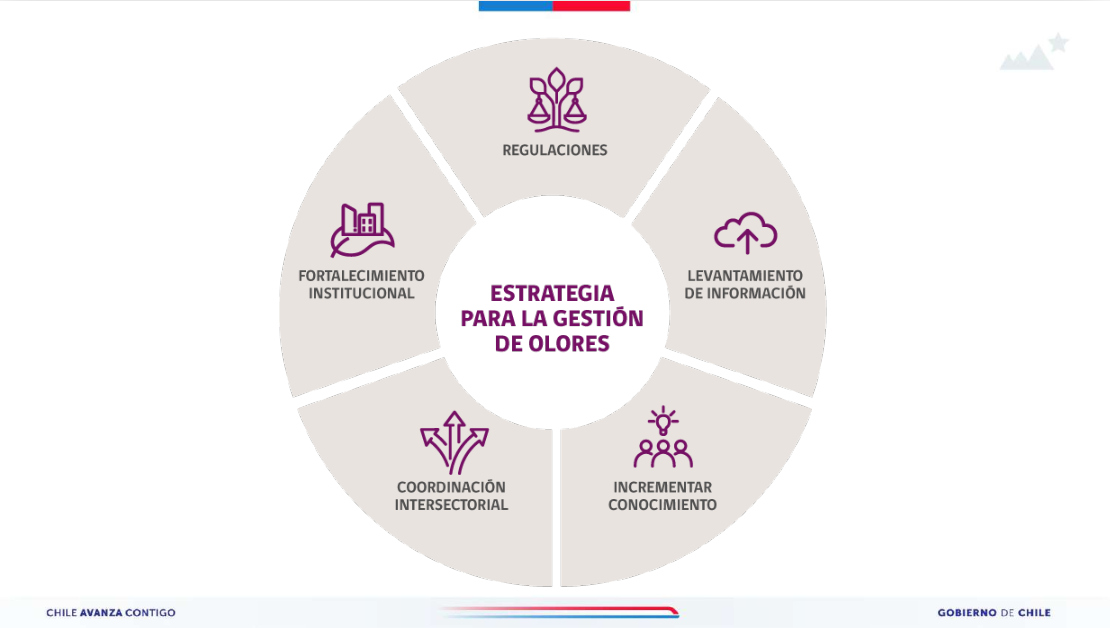
   The Odour Management Strategy in Chile has resulted in regulatory advances, such as the first environmental odour standard for pig farming, but citizen complaints remain high.

   This study reviews the current state of odour management and outlines planned actions, including sector-specific emission standards and improved implementation. Future efforts will focus on stronger regulations, municipal management with community involvement, and integration with climate change policies. The goal is to enhance odour prevention and control, improving quality of life for affected communities.

D. Caimanque1

1 Departamento de Ruido, Lumínica y Olores. División Calidad del Aire, Ministerio del Medio Ambiente de Chile. San Martín 73, Santiago - Chile.
* dcaimanque@mma.gob.cl

There is no translation available.

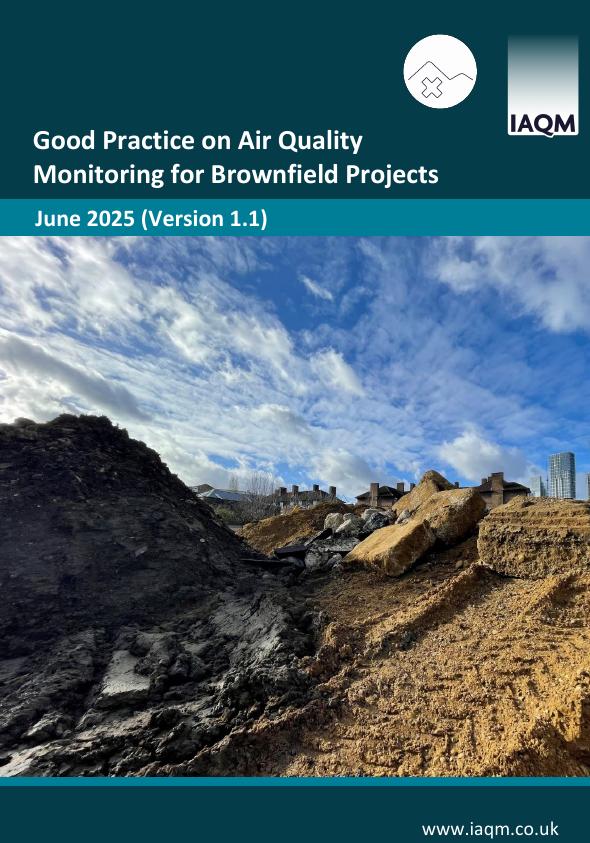
   The Institute of Air Quality Management (IAQM) has announced an open consultation period for its newly developed guidance, "Good Practice on Air Quality Monitoring for Brownfield Projects." This document has been collaboratively created by a dedicated cross-sector working group, comprising members from the IAQM itself and the IES Land Condition Community and it is now open for comments. The consultation period will be for four weeks and will close at 5pm on Monday 15th July.

   Sites that previously hosted an industrial plant (known as Brownfield sites), present valuable opportunities for revitalizing inner city areas and supporting urban growth. In the UK, planning policy encourages a “Brownfield First” approach, prioritizing the redevelopment of previously used land. However, these sites often require extensive cleanup to address contamination—particularly from hydrocarbons and chlorinated compounds—which, if left untreated, can seep into the soil, groundwater, and surface water, posing environmental risks. Often these areas emit odours that could affect people living in that area after development.

Weitere Beiträge …