There is no translation available.
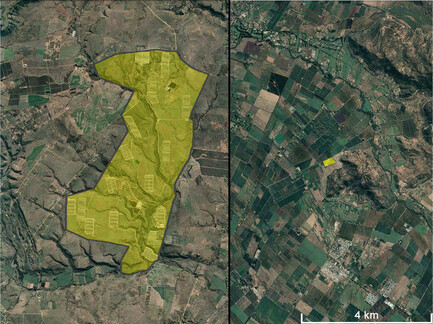 Chile is now undertaking the preparation of three odour regulations for: Swine's farms, the sea products processing plants and it has started the process of reviewing the emission standard for pulp mills. Carrying out regulatory processes to solve the issue of annoying odours is not an easy job, because it has different characteristics compared to the rest of the atmospheric pollutants.
However, the development of normative processes in Chile has so far provided important learning instances for each of the obstacles that have had to be overcome. Thus, the main objective of this work is to disseminate three lessons learned from the odour standards development processes in Chile. The results of this work are expected to contribute to other normative processes that will be initiated, particularly in Latin American countries.
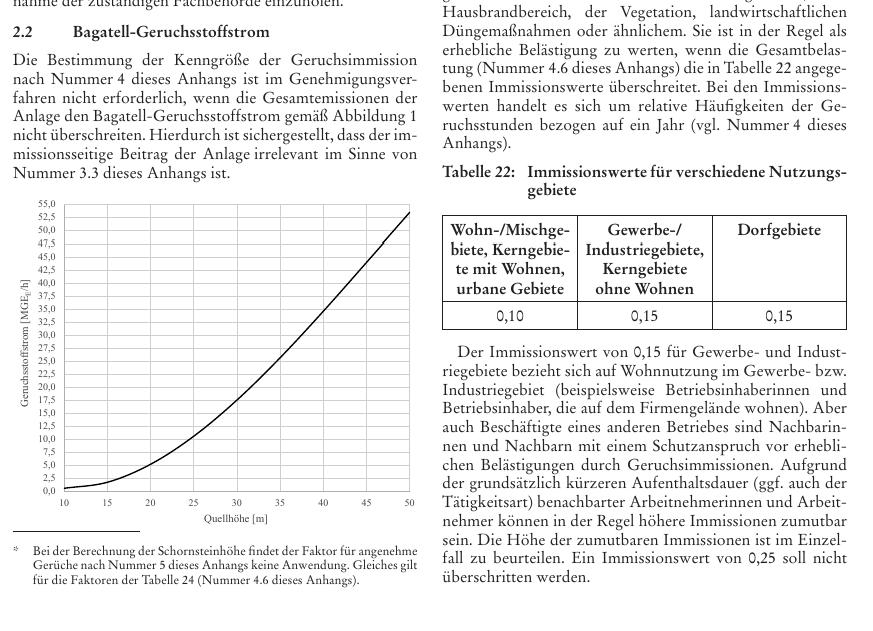 Last December, a new legislation in air quality came into force in Germany. This is, to our knowledge, the first general limit of odour in ambient air in any country of Europe as it applies to any activity that is potential odour pollutant and to all sectors.
 The Odour Special Interest Group (OSIG) of CASANZ has recently sent a newsletter commenting that the Environment Protection Authority Victoria (EPA Victoria) has released two new publications in the lead up to the Environment Protection Act 2017 that are effective since 1st of July 2021.