
Presentation of the regulation
There is no translation available.

   Uganda has enacted its first National Environment (Air Quality Standards) Regulations, establishing guidelines for managing air pollution and odour emissions to protect public health.

   Uganda has officially published its inaugural Air Quality Standards Regulations, addressing the growing concerns around air pollution and its health impacts. This legislation outlines specific measures for controlling odour emissions from various sources, requiring individuals and industries to comply with new odour limits. What are these limits?
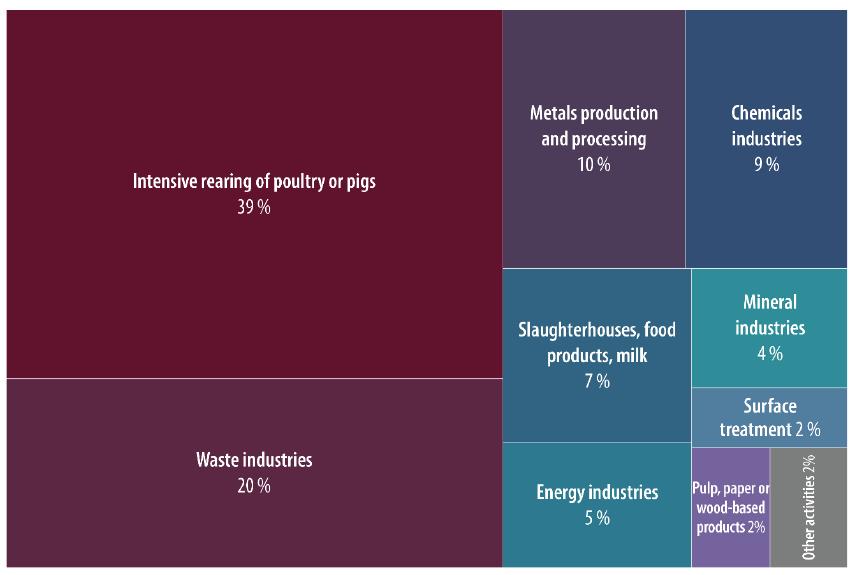

IED 2.0 Sectors
There is no translation available.

   The Directive 2010/75/EU (Industrial Emissions Directive - IED) was the main EU instrument regulating pollutant emissions from industry. This IED has been revised, and a new proposal will come into force the 4th of August. The new Industrial and Livestock Rearing Emissions Directive 2024/1785, also called IED 2.0, has already been published in the EU Official Journal, and it comes with some provisions regarding odour impact.

   Some time ago we read in a revision of the Commision that the "olfactory pollution would be covered". Is this finally correct? let's find out.

There is no translation available.

The Council of Ministers for Sustainability and Climate Change has taken a significant step in environmental protection by approving the Odor Emission Standard for the Fishing Sector. This measure aims to improve the quality of life for people living near fish processing plants nationwide.

The regulation specifically targets 23 fishmeal and fish oil plants, predominantly located in the Biobío region, and nine fish feed plants, mostly in the Los Lagos region. These facilities have been identified as significant sources of odour emissions affecting nearby communities, making this regulation a priority on the country's environmental agenda.

Weitere Beiträge …