Il 22 maggio 2025 è stato proposto un workshop online sulla modellazione della qualità dell'aria CALPUFF/CALMET tramite TEAMS. L'evento è organizzato da David Lyder, Senior Air Modelling Standards Engineer della Air Policy Section del Governo di Alberta, insieme a Madhan Selvaraj, Wally Qiu e Piotr Staniaszek. L'idea è quella di raccogliere il feedback della comunità dei modellatori della qualità dell'aria. L'evento mira a conoscere gli aggiornamenti che i professionisti desiderano incorporare nel sistema CALPUFF/CALMET.

Il sistema di modellazione della qualità dell'aria CALPUFF/CALMET è uno strumento essenziale per le applicazioni normative di modellazione della qualità dell'aria ed è ampiamente utilizzato in tutto il mondo. Tuttavia, non è stato aggiornato da tempo e necessita di miglioramenti per incorporare la migliore scienza e le migliori metodologie disponibili. Durante la conferenza della 2024 Air & Waste Management Association tenutasi a Calgary, Alberta, è stato riconosciuto che la recente acquisizione del codice CALPUFF/CALMET da parte di Lakes Environmental Inc. rappresenta un'opportunità ideale per avviare questo processo di aggiornamento.
 

There is no translation available.

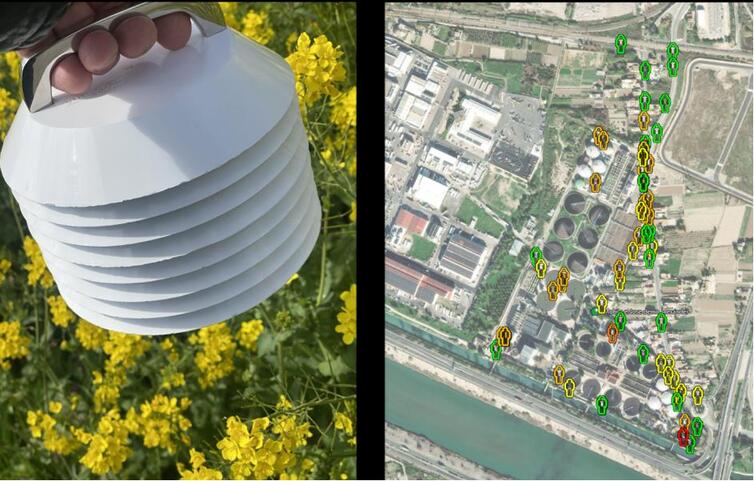
   WWTP Pinedo, one of the biggest wastewater treatment plants in Spain, installed a network of eNoses on the site in Valencia.

   An important element of the learning process of eNoses is to have sufficient human references that can analyzed against the eNose data. So far, reports entered by citizens using the NASAPP platform have been used as human references in this project.

G. Monzón, S. Bootsman

Comon Invent, Delft, the Netherlands. www.comon-invent.com
* g.monzon@comon-invent.com

There is no translation available.

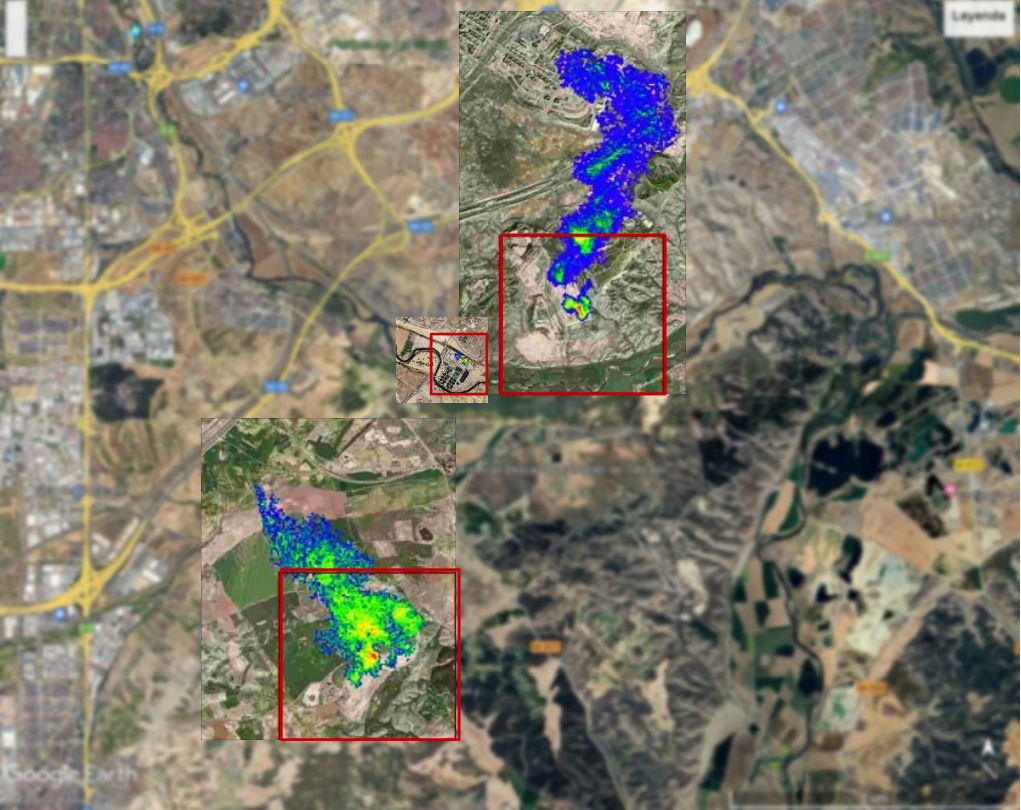
   The study aims to explore the use of satellite technology (GHGSat) for measuring methane emissions and its application in quantifying odors in landfills, waste and wastewater treatment plants. 

  This study proposes to identify and monitor methane emission sources, a tracer gas that allows inferring the presence of odors associated with the decomposition of organic matter, through the use of satellite technology (GHGSat) with its high spatial resolution and accuracy, facilitates the identification of critical areas and the evaluation of the efficiency of odor control systems.

J. Moreno Lampaya1 & K. Kataria 2

1 Envirohub Trashform S.L.
2 GHG Sat
jmoreno@envirohub.eu

Altri articoli …

All the content here under Creative Commons license