VDI/VDE 3518 Blatt 4 to nowe wytyczne techniczne, które definiują znormalizowane procedury testowe i mieszaniny gazów testowych dla detektorów LZO stosowanych w pomiarach jakości powietrza w pomieszczeniach (IAQ). Nosi ona tytuł "Czujniki wielogazowe - znormalizowane instrukcje testowe i gazy testowe dla detektorów LZO do pomiaru jakości powietrza w pomieszczeniach" i została opublikowana w kwietniu 2025 r. pod numerem ICS 71.040.40. Te 42-stronicowe wytyczne mają na celu zapewnienie porównywalności i powtarzalności pomiarów detektorów LZO w różnych technologiach czujników i u różnych producentów.

   Wytyczne skierowane są przede wszystkim do producentów detektorów LZO i czujników wielogazowych, laboratoriów badawczych, jednostek certyfikujących oraz ekspertów w dziedzinie higieny powietrza w pomieszczeniach i inżynierii usług budowlanych. Zapewnia ramy do oceny wydajności czujnika, w tym czułości, selektywności, czasu reakcji i długoterminowej stabilności. Określając znormalizowane warunki środowiskowe, skład mieszaniny gazów i sekwencje testowe, VDI/VDE 3518 Part 4 ma na celu opracowanie metodologii, która może zapewnić bardziej wiarygodne oceny jakości powietrza w pomieszczeniach. Czy to się udało? Czytaj dalej, aby się dowiedzieć.
There is no translation available.

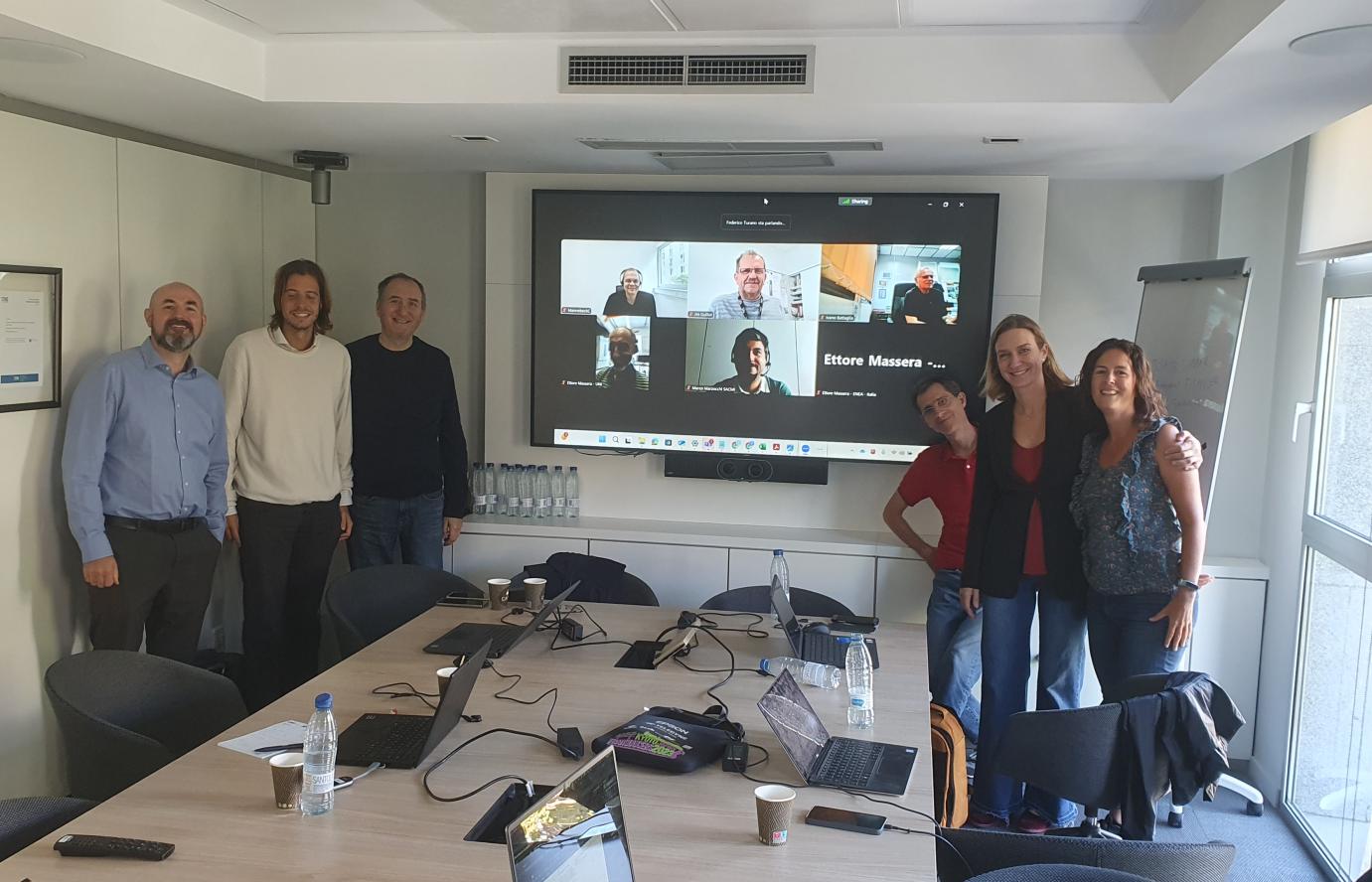
   On September 22 and 23, a new meeting of CEN/TC 264/WG 41, that is, the Working Group 41 of the Technical Committee 264 on Air Quality of the European Committee for Standardization, took place. The agenda for the day included several items, but in the end, draft 3, which deals with field validation, took up most of the group's working hours.

   The WG41 is working in three standards: 1) Instrumental Odour Monitoring Systems (IOMS) - Part 1: Definitions and general aspect; 2) Instrumental Odour Monitoring Systems (IOMS) - Part 2: Technical specifications and QA/QC requirements and 3) Instrumental Odour Monitoring Systems (IOMS) - Part 3: Field validation. This last draft has not been discussed during the second stage of the development of the standard until now. But the experts took the challenge and a text was delivered on time to activate the 3 PWIs, which is the next step in the CEN process.

There is no translation available.

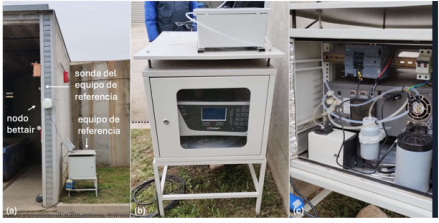
   This project demonstrates that multisensor systems with electrochemical sensors, enhanced by Data Learning models, can accurately and reliably monitor hydrogen sulfide (H2S) in wastewater treatment plants without costly or frequent manual calibration.

   The pilot phase, conducted in early 2024, achieved excellent agreement with reference analyzers, offering a low-cost, low-maintenance, and innovative solution for continuous H2S measurement in WWTPs..

M. Padilla, S. Udina, E. Flores, M. Escribano, F. Ramírez, J. Perelló

  Bettair Cities S.L.

framirez@bettaircities.com

Więcej artykułów…

All the content here under Creative Commons license