There is no translation available.
 As you probably know, the International Environmental Society of Odour Managers (AMIGO) and a nice bunch of other groups and experts is promoting the development of a new Spanish Standard on odour nuisance mapping through citizen science. Last meeting took place online on the 27th of May, and the first draft of this standard is close to be ready. This would be the first standard on advanced psychometry, dealing with odour mapping by using citizen science to our knowledge.
The roadmap for this initiative is to serve as a first standard on mapping annoyance to drive a wider standardization process at a European scale, and from that go to ISO. It aims also to be a guideline for anyone interested in carrying on a citizen science study focused on odour impact.
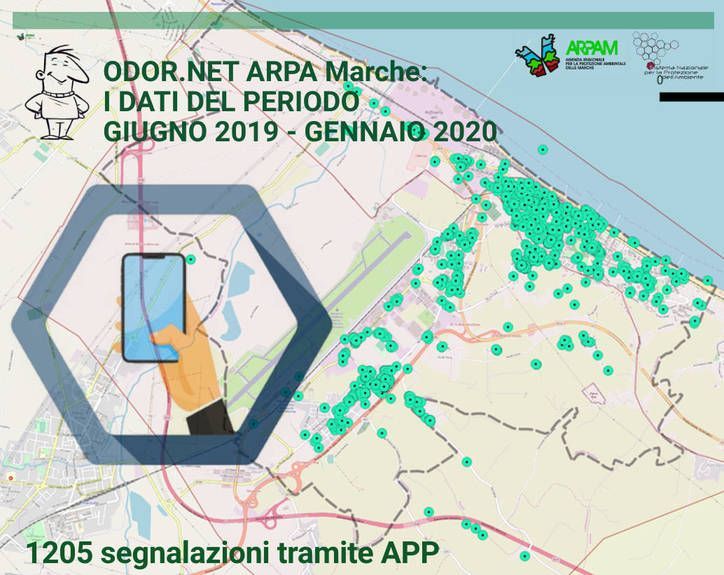 Odor.Net is a real-time monitoring project of olfactory nuisance in the city of Falconara, Italy, launched by ARPA Marche last June, carried out through the use of a simple APP for smartphones and tablets. After 7 months of work, some preliminary results have been presented.
 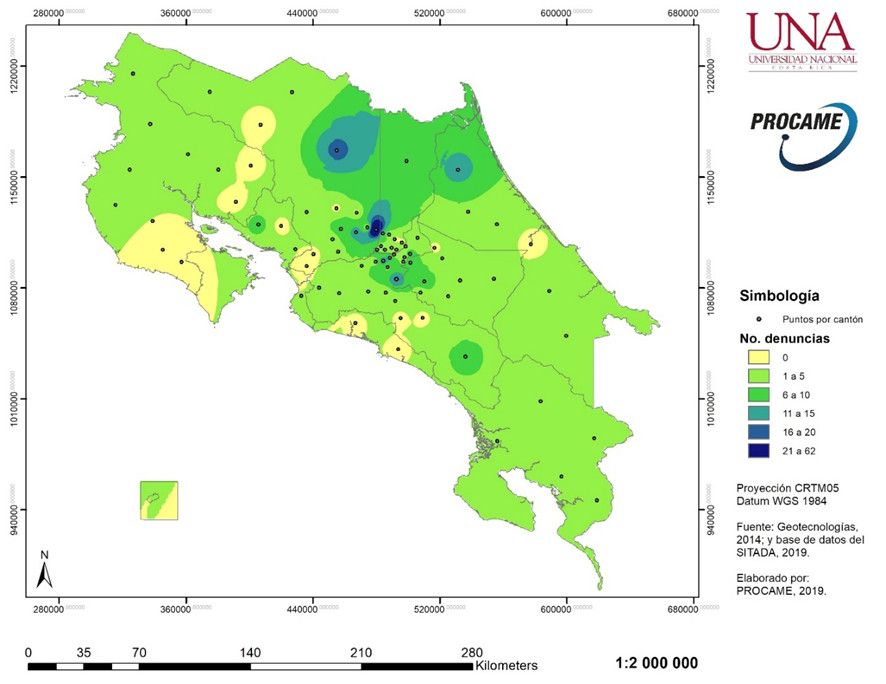 Odor emissions are one of the main problems of environmental pollution in the world. Fact that places them as environmental pollutants and consequently, in a public health issue.