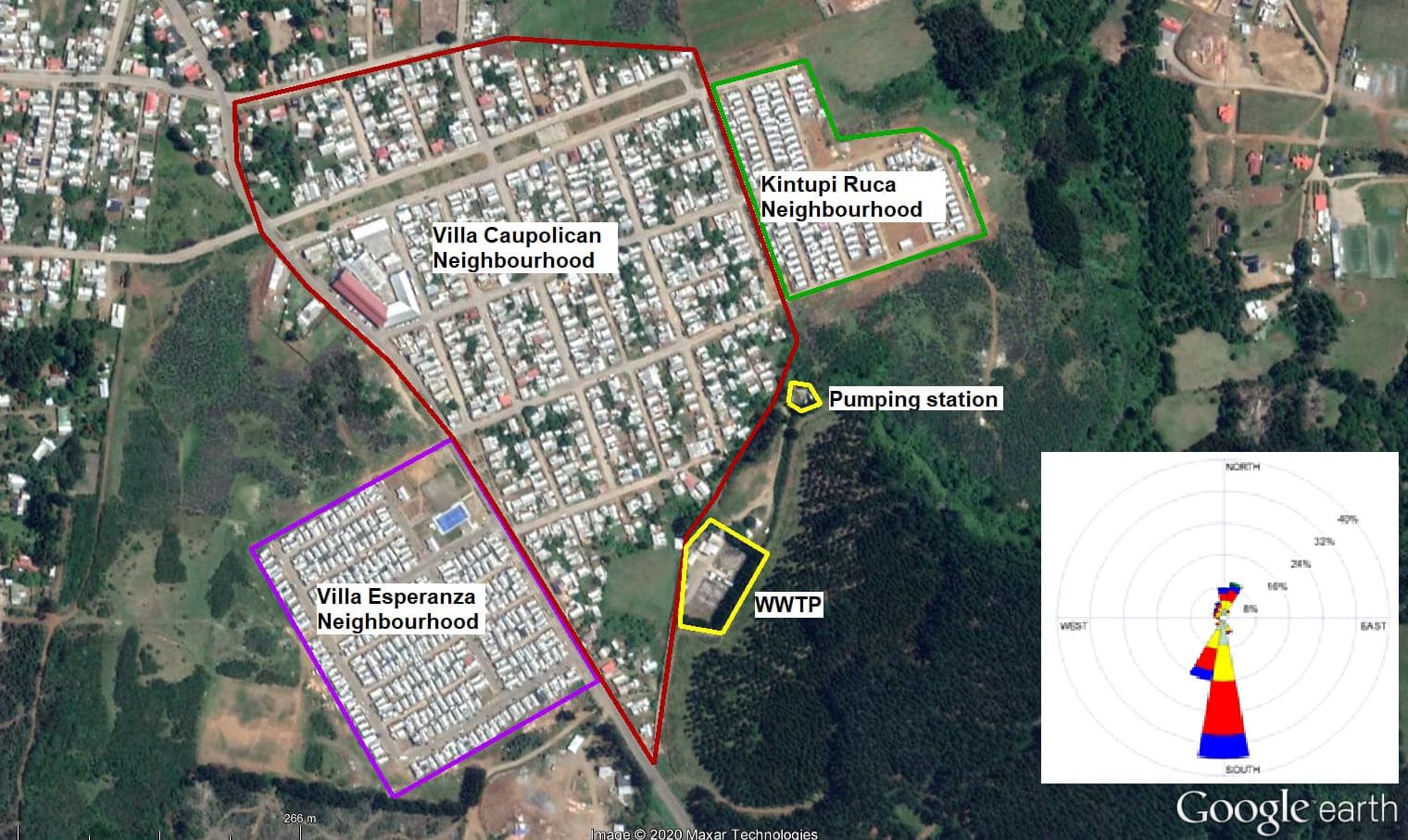
Increasing citizen demands for better environmental quality have led Chile, a party to the Escazu Agreement, to adopt participatory monitoring in environmental assessments, including for odour pollution.

   This work aims to compare the D-NOSES citizen-based odour data collection method with traditional assessment approaches. The study will evaluate the consistency of citizen-reported odour observations using an odour annoyance index. This assessment is crucial to validate the reliability of citizen-generated odour measurements.

N. Muñoz* & G. Schleenstein

Ecotec Ingeniería Ltda., José Victorino Lastarria 70 of. 213, Santiago de Chile
* nmunoz@ecotec-ingenieria.cl

   This project developed a methodology using the NASAPP web platform to monitor and analyze odor pollution from a waste management plant in a residential area.

   By combining trained-user data with public participation and advanced analysis, it created an odor impact index and facilitated transparent stakeholder communication. The approach reduced odor complaints by 80% and established a replicable model for environmental conflict resolution, emphasizing community-company-authority collaboration.

de Lucas, I. 1*; Vallse, T. 2; Ribasése, E. 2

1 Centro Tecnológico Eurecat & NasApp SL, Catalonia, Spain.
2 Catalana de Tractament d'Olis Residuals S.A, Catalonia, Spain. 
* Isabel.delucas@nasapp.org

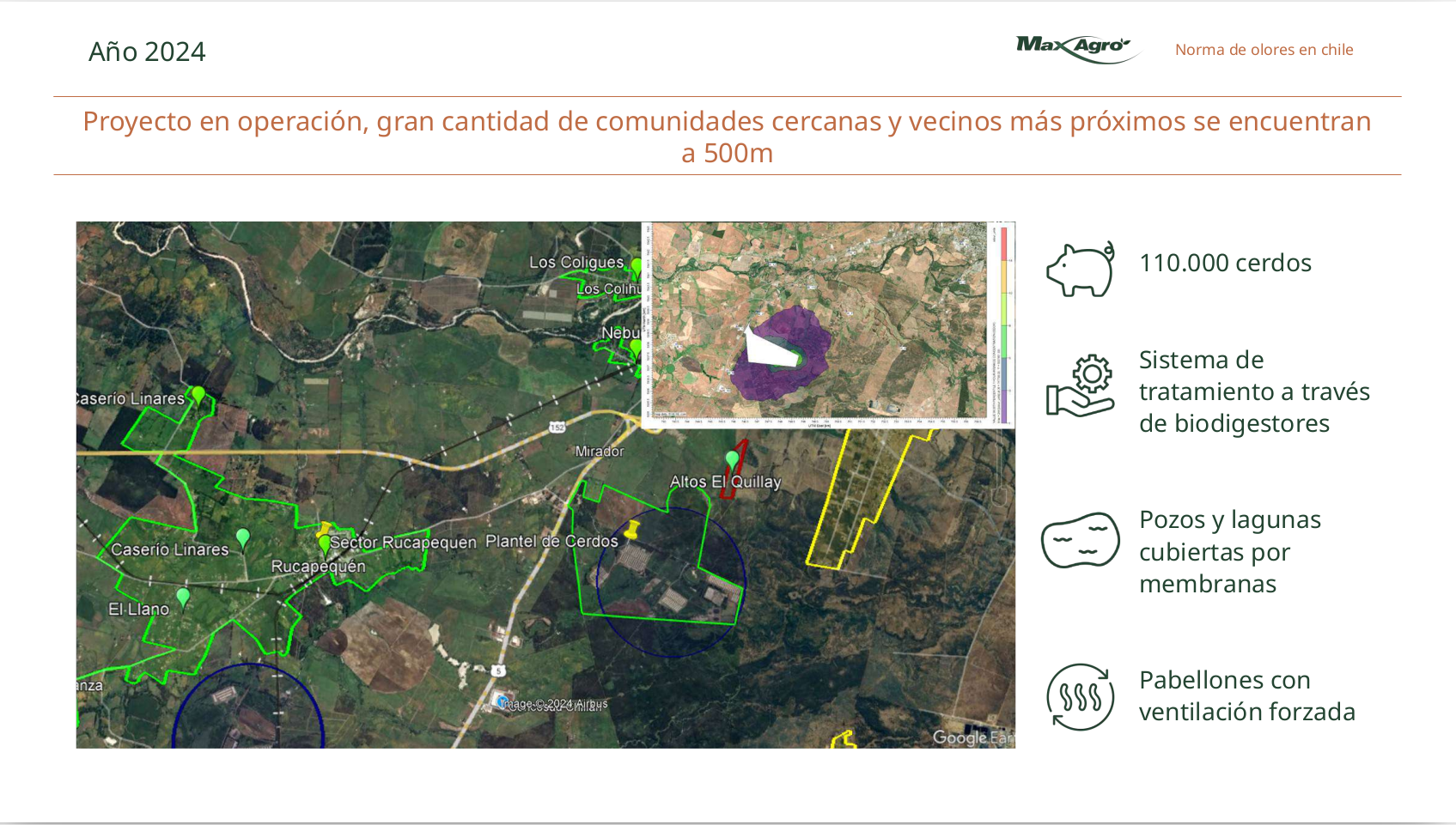
   With the new odour standard for swine facilities in Chile, Maxagro and the industry face the challenge of advancing towards sustainable production and managing community expectations.

   Despite technological investments that have reduced odours by over 75%, the perception of low-level odours can still lead to complaints. Maxagro actively works with the community to improve understanding and social well-being.

E. Ellmen

Maxagro, Chile. eellmen@maxagro.cl

More Articles …

All the content here under Creative Commons license