There is no translation available.

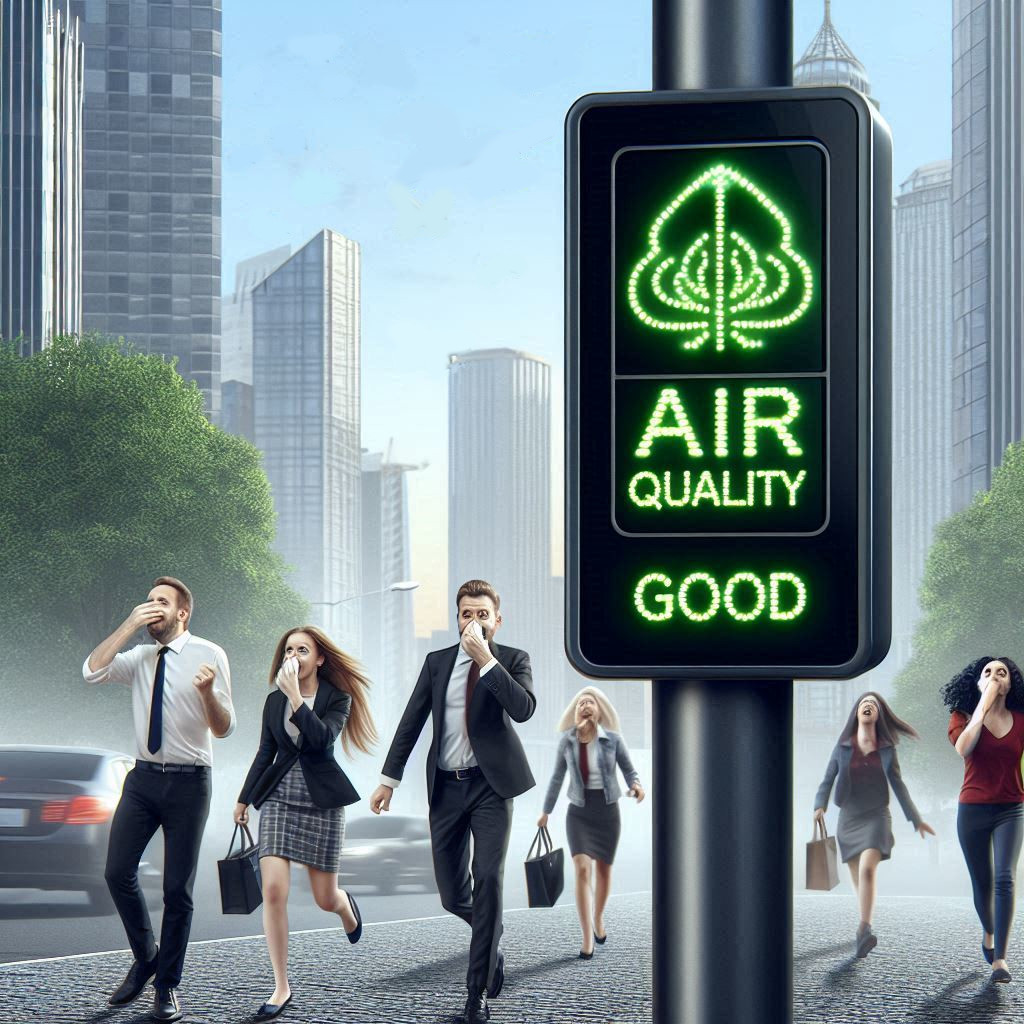
   On 24 April this year, the European Parliament approved the provisional agreement on the new Air Quality (AQ) Directive. This is one of the last steps before a new Air Quality Directive is published and implemented in the 32 countries under the European Environmental Agency (EEA) umbrella. Is there anything related to odour levels in the new text of the AQ Directive?

   Over the last few years, we have seen how Air Quality (AQ) panels and apps are growing around our cities. They usually show a message with AQ levels of "good," "fair," "moderate," "poor" and "very poor". These levels are much related to the existing Directive on Air Quality. This Directive is about to be replaced by a new text  recently approved by the European Parliament. The question is: will this new AQ Directive incorporate any provisions regarding odour levels in ambient air?
There is no translation available.

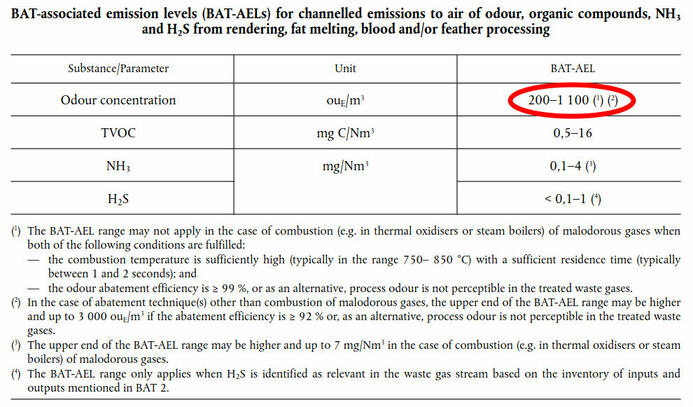
  The European Commission Implementing Decision establishing the best available techniques (BAT) conclusion for the slaughterhouses, animal by-products and/or edible co-products industries has been made public. The BREF document was under review, and the latest draft was published in March 2023. The final text of the BREF has not been published to date.

   On December 18, 2023, the Official Journal of the European Union published the Commission Implementing Decision of December 11, 2023, establishing conclusions on the Best Available Techniques (BAT) under Directive 2010/75/EU of the European Parliament and of the Council on industrial emissions, for slaughterhouses, animal by-products and/or edible co-products industries. This directive is very interesting because it brings the second panaeuropean odour limit after the one published in 2018 for Waste Treatment. These are some key points on this new regulation, regarding odours.

There is no translation available.

The German Committee on Indoor Air Guide Values (AIR) has recently unveiled the latest revision of their Odour Guide Values (OGVs), available on their website as of August 2023. These updated values are the result of a meticulous review and integration of new scientific and analytical findings, further enhancing their commitment to addressing indoor air quality concerns.

The OGVs are used to assess the plausibility of complaints about odour annoyance in indoor air. These values indicate the threshold at which measures should be taken to minimize odour exposure. OGVs are established to address concerns about exposure to indoor air pollutants causing unusual or unpleasant odours. The focus is on potential annoyance effects associated with indoor air quality.

Altri articoli …