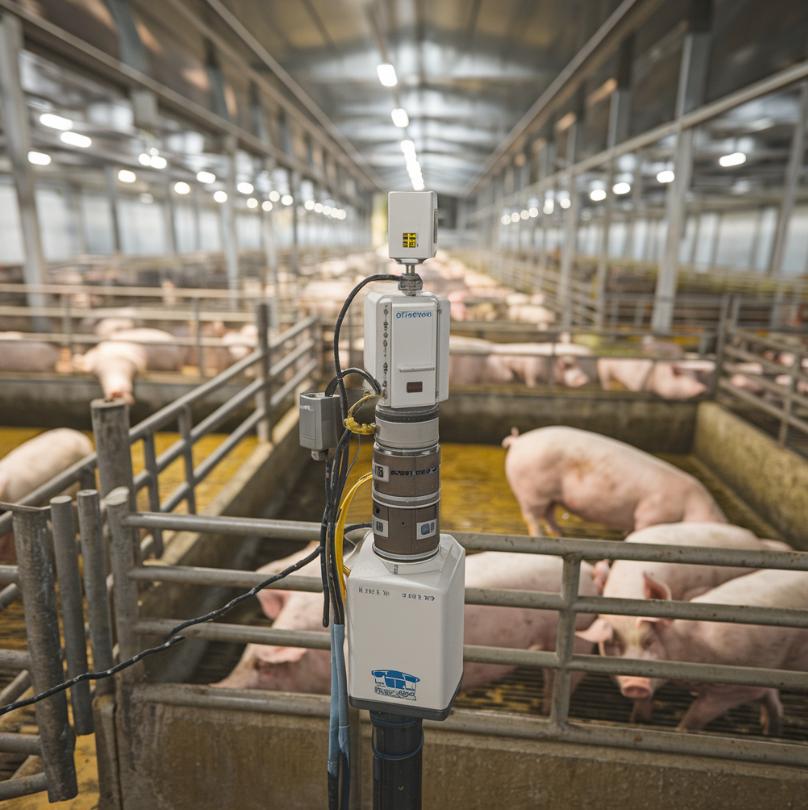
This study identifies the most significant odor compounds in pig and poultry farms to better understand odor issues and develop effective management strategies

   A literature review and compound analysis revealed common substances like methanethiol and trimethylamine, as well as specific ones like hydrogen sulfide in pig farms and acetaldehyde in poultry farms. The study emphasizes the importance of proper odor management on farms to mitigate negative impacts on health and the environment.

S. Gorbeña 1, J. Aniz 1, A. Antón 2, C. Izquierdo 2, C. Díaz 2*

1 UPV/EHU, Barrio Sarriena, s/n, 48940 Leioa, Bizkaia, Spain
2 Ambiente et Odora SL, Uribitarte, 6, planta baja, Bilbao, Spain
* carlosdiaz@ambienteetodora.com
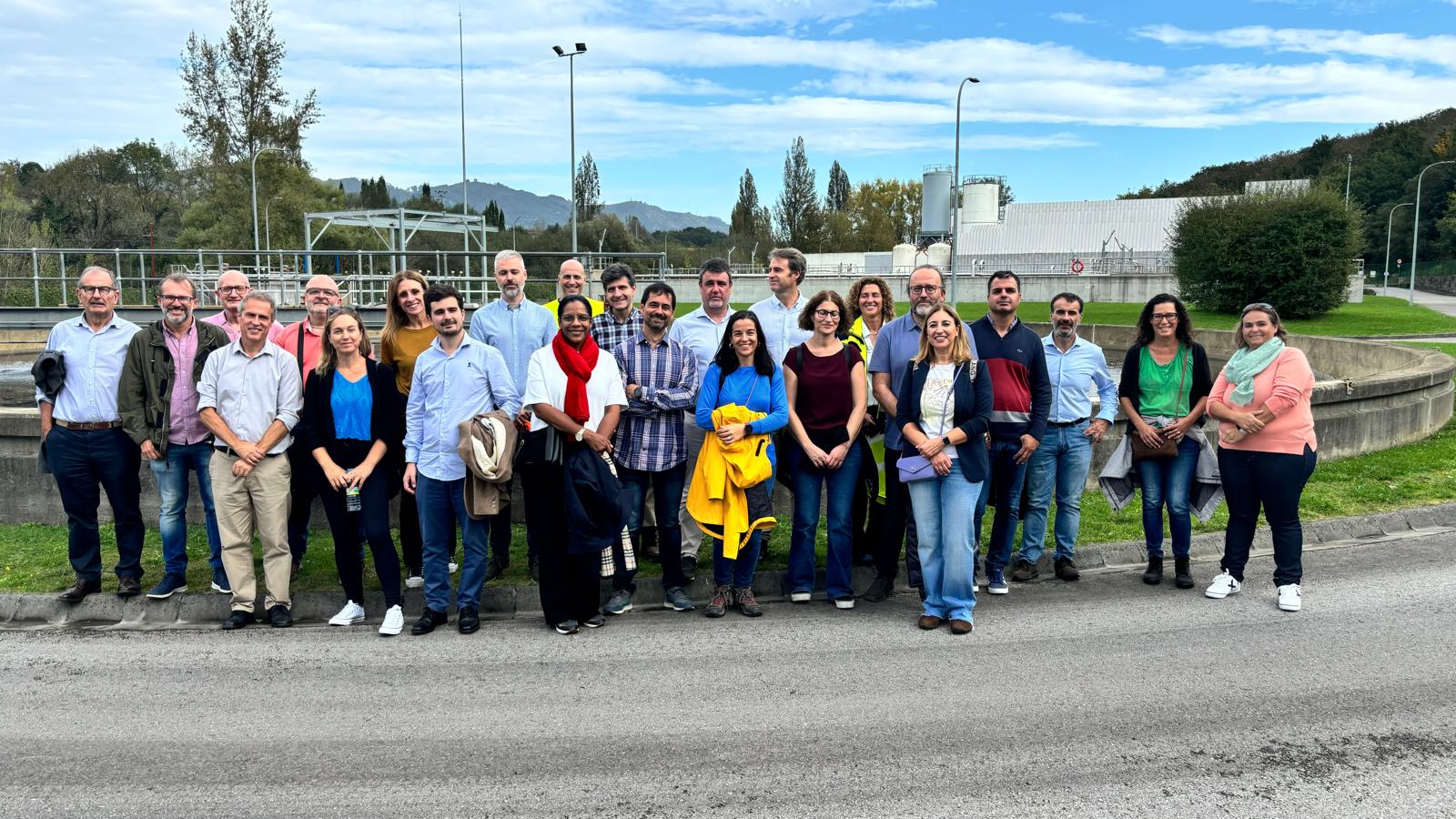
The Odour Group (GO) of the Spanish Association of Water Supply and Sanitation (AEAS) is a very active group within this association. This group has been working for several years on the results of a survey designed to assess the cost of odour management in WWTPs and sanitation networks serving more than 10,000 equivalent inhabitants in Spain. Finally, after multiple coordination meetings over the past year, this much-awaited study on the state of odour management in Spain's urban wastewater infrastructure has been published.

The aim of this study, based on a similar one carried out by WEF a few years ago, was to evaluate the different aspects related to the cost of odour management. This evaluation was carried out through the analysis of 400 responses received from operators and managers of plants, in which they were asked for data such as the odour control systems used, operational and maintenance costs, the economic cost of managing odour-related incidents, and design costs.

   The GRAL Dispersion Model/GUI has been updated to version 24.11, with several new features and critical bug fixes. This release brings enhancements designed to improve user experience and functionality.

   The high-resolution model system GRAMM/GRAL, developed at the Institute of Thermodynamics and Sustainable Propulsion Systems at Graz University of Technology, has become a benchmark for dispersion modelling in urban areas, both in scientific research, as well as in regulatory assessments. The model is especially suitable for low-wind speed conditions and complex terrain. An integrated micro-scale flow-field model takes the effect of buildings on pollutant dispersion into account. A new version of this system has been released with the following features:

More Articles …

All the content here under Creative Commons license