
VDI/VDE 3518 Part 4 is a new technical guideline that defines standardized test procedures and test-gas mixtures for VOC detectors used in indoor air quality (IAQ) measurements. Titled "Multigas sensors – Standardized test instructions and test gases for VOC detectors for indoor air quality measurement" it was published in April 2025 under ICS 71.040.40. This 42-page guideline aims to ensure that VOC-detector measurements are comparable and reproducible across different sensor technologies and manufacturers.

   The guideline is primarily aimed at manufacturers of VOC detectors and multi-gas sensors, testing laboratories, certification bodies, and experts in indoor air hygiene and building services engineering. It provides a framework for evaluating sensor performance, including sensitivity, selectivity, response time, and long-term stability. By defining standardized environmental conditions, gas mixture compositions, and test sequences, VDI/VDE 3518 Part 4 establishes a methodology designed to enable more reliable assessments of indoor air quality. Does it succeed? Read on to find out.
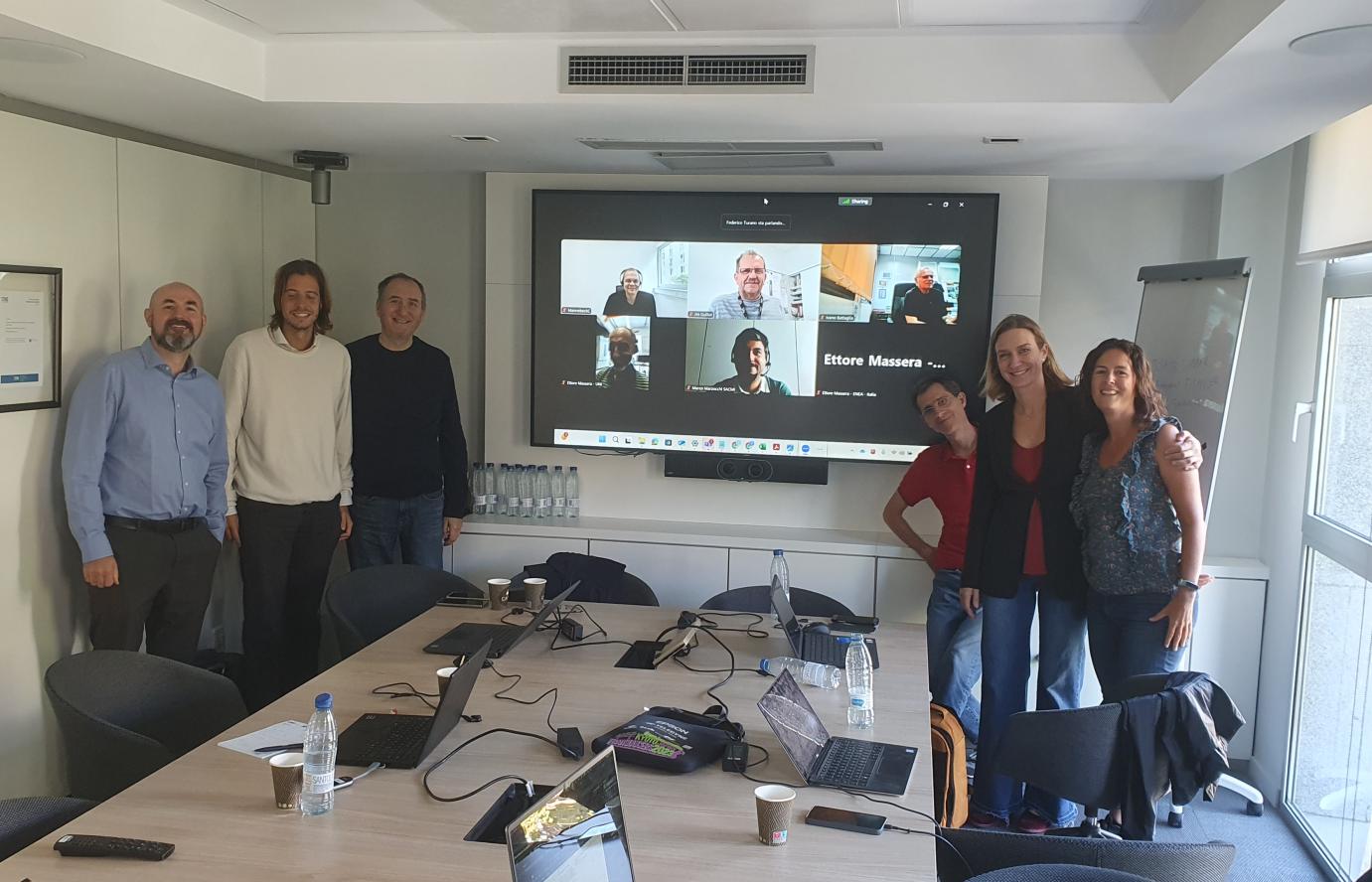
   On September 22 and 23, a new meeting of CEN/TC 264/WG 41, that is, the Working Group 41 of the Technical Committee 264 on Air Quality of the European Committee for Standardization, took place. The agenda for the day included several items, but in the end, draft 3, which deals with field validation, took up most of the group's working hours.

   The WG41 is working in three standards: 1) Instrumental Odour Monitoring Systems (IOMS) - Part 1: Definitions and general aspect; 2) Instrumental Odour Monitoring Systems (IOMS) - Part 2: Technical specifications and QA/QC requirements and 3) Instrumental Odour Monitoring Systems (IOMS) - Part 3: Field validation. This last draft has not been discussed during the second stage of the development of the standard until now. But the experts took the challenge and a text was delivered on time to activate the 3 PWIs, which is the next step in the CEN process.

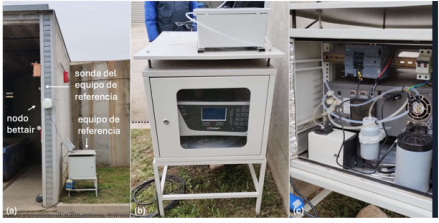
   This project demonstrates that multisensor systems with electrochemical sensors, enhanced by Data Learning models, can accurately and reliably monitor hydrogen sulfide (H2S) in wastewater treatment plants without costly or frequent manual calibration.

   The pilot phase, conducted in early 2024, achieved excellent agreement with reference analyzers, offering a low-cost, low-maintenance, and innovative solution for continuous H2S measurement in WWTPs..

M. Padilla, S. Udina, E. Flores, M. Escribano, F. Ramírez, J. Perelló

  Bettair Cities S.L.

framirez@bettaircities.com

More Articles …

All the content here under Creative Commons license