Some issues with odours with a company dedicated to transform agricultural byproducts.
This study started the 13th of October of 2005 and it is set down to end in April 2007. It is one of the first experiences with e-noses in Spain and it is being carried out by the company J. Canet in collaboration with Jaume I University of Castellon and the Regional Ministry of Catalonia.
Following many complaints from neighbours on the surroundings, the company J. Canet started a program in its factory in ALMASSORALA, to determine if their factory is the responsible for the odours. The company claims that there are other activities that could have some influence on the odours in the area.
E-noses are distributed in different areas around the activity and the network is completed with a weather station. The aim is to have a continuous map of odour pollution.
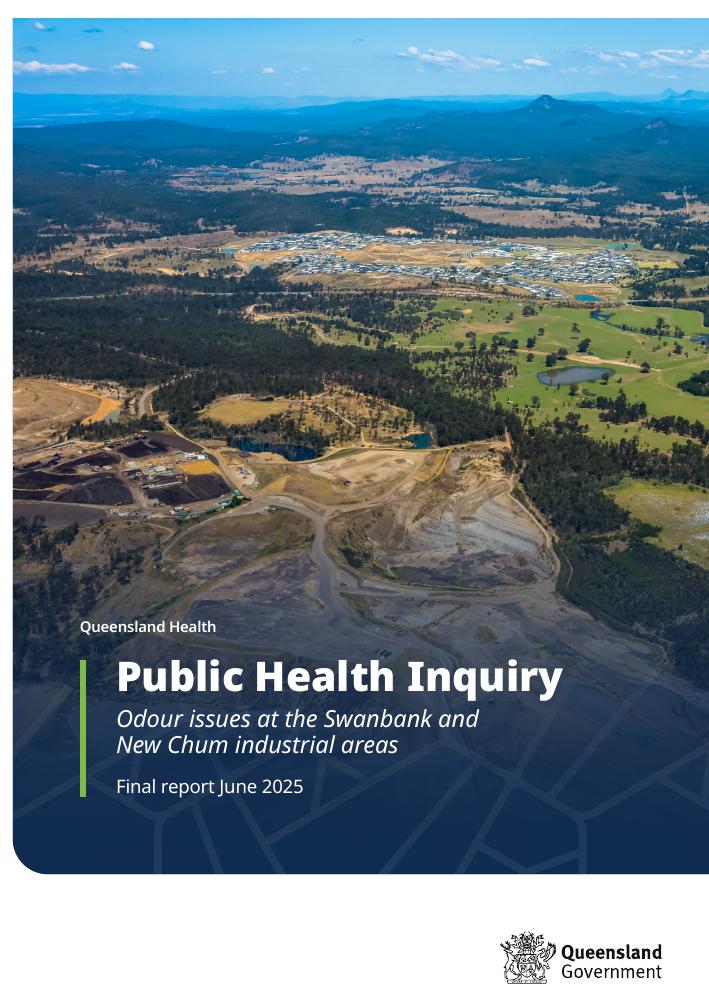
In Ipswich, Queensland, Australia residents have for some time reported persistent odours coming from nearby industrial and waste facilities at Swanbank and New Chum. These odours have caused discomfort and concern among the community, with some attributing health issues like respiratory problems and nausea to the pollution. The situation prompted local leaders and government authorities to take notice after many residents raised complaints.
To address these concerns, a Public Health Inquiry was initiated by the government to investigate the impact of these odours on community health. The Inquiry aimed to collect evidence and testimonies from residents, experts, and industry operators. The goal was to assess the extent of harm, identify causes, and recommend actions. The final report from the Swanbank Public Health Inquiry has been finally published this Wednesday, 19 November, and can be accessed at this link.
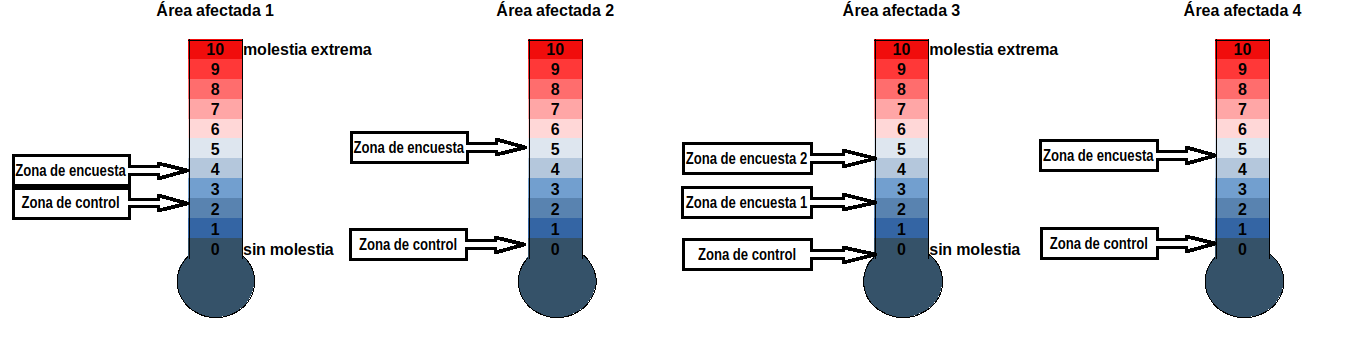
Chile’s first odour regulation for pig farming, enacted in 2023, prompted an evaluation of its social impact.
A survey in four affected regions showed significantly higher annoyance levels than in control areas, with women reporting more behavioural adaptations. While no gender differences were statistically significant, the study highlights the need for larger samples and better implementation strategies. The methodology could also be applied to assess odour regulations in other industries.
G. Schleenstein1 y D. Caimanque2
1 Ecotec Ingeniería Ltda., José Victorino Lastarria 70 of. 213, Santiago de Chile
2 Ministerio del Medio Ambiente, San Martín 73, Santiago de Chile
* gs@ecotec-ingenieria.cl
Więcej artykułów…
- OdourCollect: Revolutionizing Odour Monitoring and Management with Citizen Science Under the UNE 77270:2023 Standard
- Comparison of Citizen Odour Observations with Traditional Odour Impact Assessment Methods
- Evaluation of the Impact of a Waste Management Activity in a Residential Area by Monitoring Foul Odor Episodes with Nasapp
- The Odour Standard in Chile: Maxagro’s Experience and Community Expectations
- OdourCollect: Environmental management platform for building collaborative odour maps according to UNE 77270:2023 standard
- Management of odor complaints at pig farms, a challenge beyond Chilean regulations
Podkategorie
Strona 22 z 114