There is no translation available.
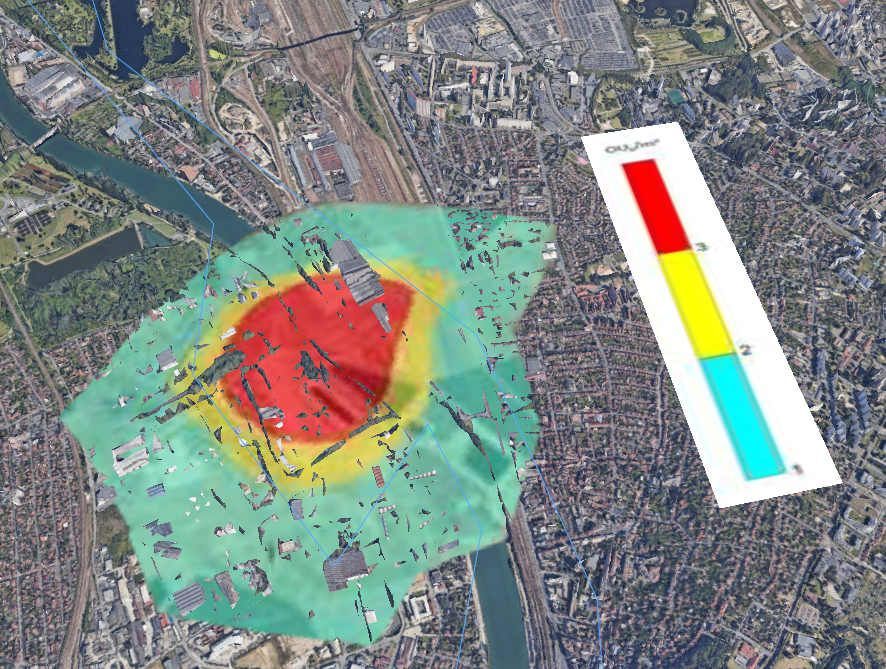 A new development on the first worldwide guideline on the assessment of odour exposure by using dispersion modelling will take its first steps. At this stage, there are many initiatives related to dispersion modelling worldwide but there is no specific guideline for odour modelling to our knowledge. This is an initiative promoted by several experts in the area of modelling that will be led by Mr. Günther Schauberger and Ms. Jennifer Barclay. First meeting will take place the 27th of August.
Modelling odours is complex and many of the guidelines on modelling published around the world fall short in treating this vector. Modelling odours often requires to forget about traditional dispersion modelling operating modes and to focus on exposure. Odours are perceived in seconds or minutes, not hours and this is key in calculating its impact on ambient air. Most odour incidents are generated during calm or very low wind speeds which do not facilitate the dispersion of an odour and that makes modelling challenging. Last, but not least, there is a need to investigate the role of Instrumental Odour Monitoring Systems (IOMS) on the evaluation of model performance.
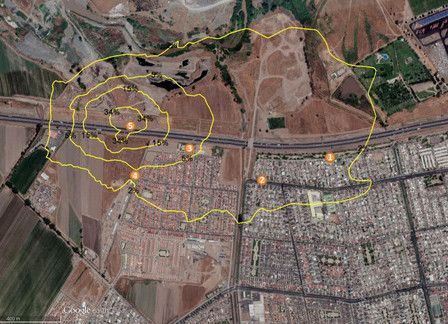 Approximately 50% of the wastewater from the "big Santiago" (Santiago Metropolitan Region, Chile) converges into the Chamber of Mixing and Distribution of Wastewater - CAM04 to be later conducted towards the Mapocho Trebal Sewage Treatment Plant.
 In recent years, the community has taken an active role regarding situations or factors that affect its air quality and that of its daily life, especially in those areas close to industrial sites.