There is no translation available.
 The 22nd of June 2015, a new version of the CALPUFF software has been released. The Version 7 of the CALPUFF modeling system contains many new features. The model updates introduce new source types including roadways and flare modeling. The new pre-processor SURFGEN which can process sub-hourly ASOS data and the post-processors CALRANK, CALAVE and CALMAX are also now available.
This version 7 includes all the new features introduced in Version 6 (which is now being deprecated), such as the ISORROPIA (now updated to v2.2) inorganic gas-particle equilibrium model, aqueous phase chemistry and an anthropogenic secondary organic aerosol (SOA) module based on the CMAQ/MADRID model; options to use sub-hourly time steps for both meteorological and emissions data, nested grid capabilities; an option in CALPOST to compute daily peak one-hour concentration values consistent with the new U.S. 1-hour SO2 and NO2 standards.
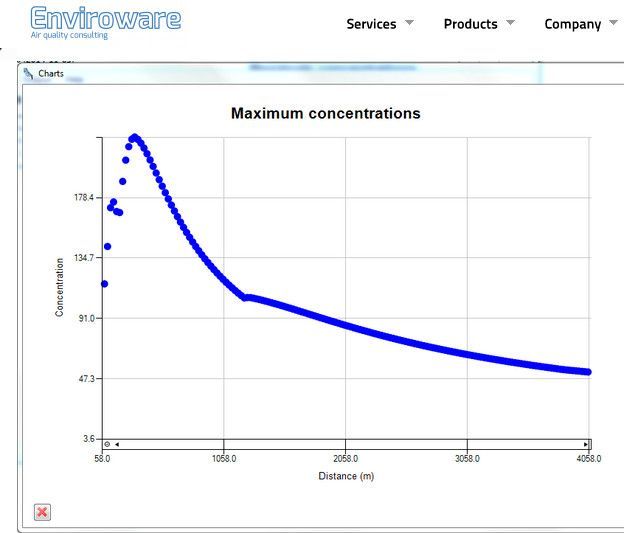 AerscreenEZ is a friendly Graphical User Interface (GUI) for the AERSCREEN model, the screening version of US-EPA AERMOD dispersion model. Aerscreen EZ is a great tool if you do not have met data available and there is no need for a more advanced dispersion model provided that you have the right requirements.
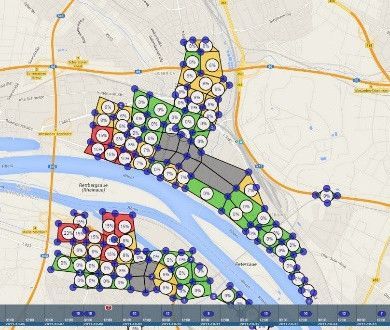 Environmental odour management today offers a variety of building blocks, ranging from the use of state-of-the-art technology to the implementation of various methods, which are based on national and international guidelines and standards. These range from odour monitoring approaches using trained human sensory panels and citizen science, real-time and forecasted dynamic dispersion modelling, trajectory and back-tracking calculations, but also sensor systems which are making use of gas sensors to detect and quantify key odorants of odour sources.